How uPVC Windows Support Eco-Friendly Home Construction
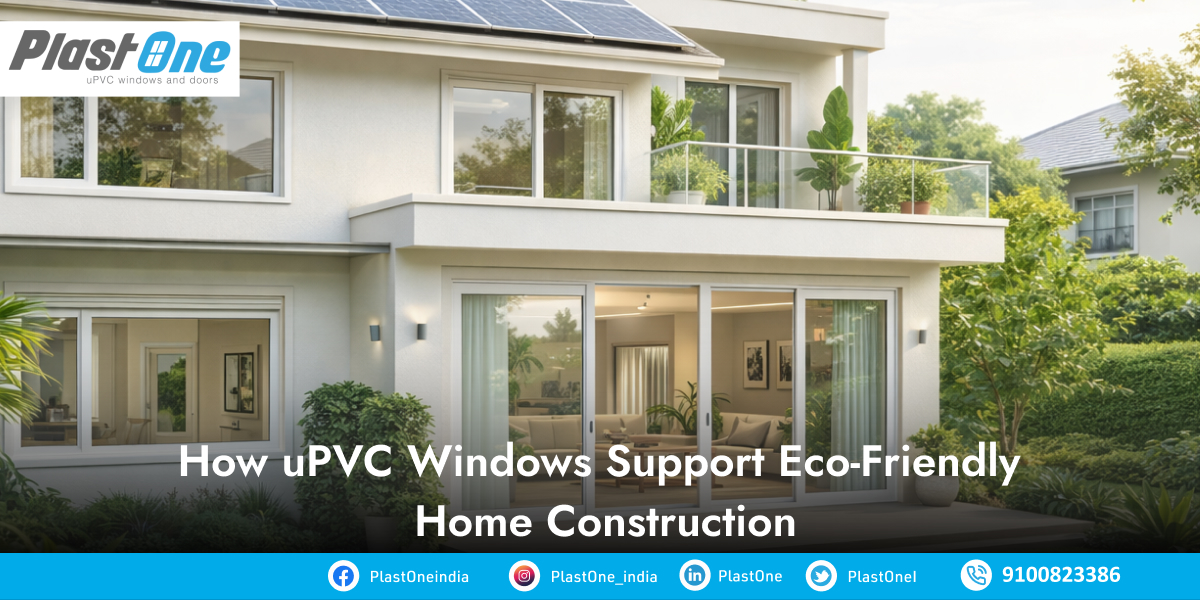
As sustainability becomes a priority in modern construction, homeowners, builders, and architects are actively looking for materials that reduce environmental impact without compromising on performance. One such solution gaining widespread adoption is uPVC windows. At Plastone, we’ve seen how uPVC windows play a key role in supporting eco-friendly and energy-efficient home construction across India. Let’s explore how uPVC windows contribute to greener, more sustainable living spaces.
1. Energy Efficiency That Reduces Carbon Footprint
One of the biggest advantages of uPVC windows is their excellent thermal insulation. Unlike traditional materials, uPVC profiles help maintain indoor temperatures by reducing heat transfer.
This means: ● Less dependency on air conditioners and heaters
● Lower electricity consumption
● Reduced carbon emissions over time
By installing energy-efficient uPVC windows from Plastone, homeowners can significantly cut down on energy usage while enjoying a comfortable indoor environment year-round.
2. Durable Material with Long Life Cycle
Eco-friendly construction isn’t just about how materials are made it’s also about how long they last. uPVC windows are highly durable and resistant to weather, moisture, termites, and corrosion.
Because of their long lifespan: ● Fewer replacements are needed
● Construction waste is reduced
● Overall material consumption decreases
Plastone uPVC profiles are designed to withstand Indian climatic conditions, making them a sustainable long-term choice for homes and commercial buildings.
3. Recyclable and Environmentally Responsible
uPVC is a recyclable material, which makes it far more sustainable than many traditional window materials. Old or damaged uPVC profiles can be recycled and reused in manufacturing new products.
This recycling capability: ● Reduces landfill waste
● Conserves natural resources
● Supports circular economy practices
At Plastone, responsible manufacturing and material efficiency are integral to supporting greener construction solutions.
4. Improved Indoor Air Quality
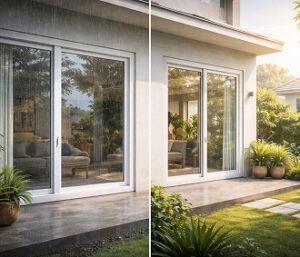
uPVC windows provide airtight sealing, which helps block dust, pollution, and external allergens. This results in healthier indoor air quality, an important aspect of sustainable and wellness-focused home design.
Benefits include: ● Reduced dust and noise pollution
● Better indoor comfort
● Healthier living spaces for families
Eco-friendly homes are not just about saving energy, they’re also about improving uPVC quality of life.
5. Low Maintenance Means Less Resource Use
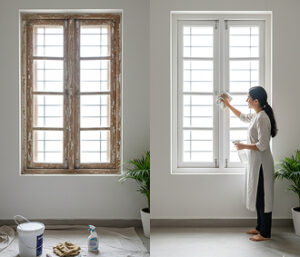
Traditional window materials often require frequent painting, polishing, or chemical treatments. uPVC windows, on the other hand, need minimal maintenance, simple cleaning with water is usually enough.
This leads to: ● Lower use of paints and chemicals
● Reduced water and resource consumption
● Less long-term maintenance cost
Plastone uPVC windows are designed for hassle-free performance, aligning perfectly with sustainable construction goals.
6. Supporting Green Building Standards
Many green building certifications encourage the use of energy-efficient and recyclable materials. uPVC windows contribute positively toward meeting these sustainability benchmarks when used as part of an eco-conscious construction plan. Builders and architects choosing uPVC windows from Plastone benefit from materials that support modern green building practices.
To explore eco-friendly uPVC window solutions for your project, get in touch with our team today.